How to make mistakes feel safer this school year
Posted: November 03, 2026 | Word Count: 662
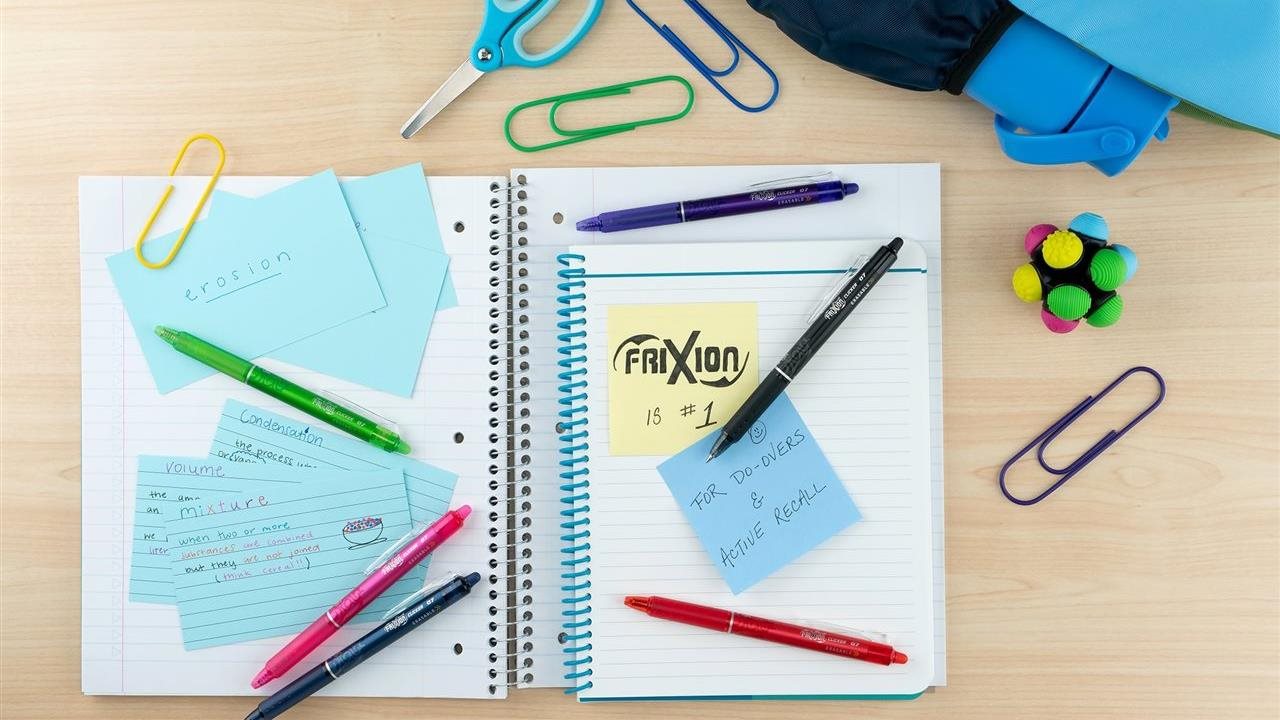
Is this a familiar scene in your home? Your child is worrying over a worksheet at the kitchen table. They write an answer, pause and stare at the page as you watch their irritation grow. Their hesitation and frustration aren't necessarily about the assignment itself. More often than not, your student may be frozen by the fear of making a mistake.
When students are taught to avoid mistakes, a simple homework question becomes an insurmountable task that leaves them feeling inadequate and you feeling at a loss. But with a mindset shift and the right tools, you can help your child move from freeze to freedom and build confidence in their academic abilities.
Why mistakes belong in the learning process
Mistakes aren't failures — they're information. When a student makes mistakes on their assignments, these errors demonstrate what they understand, highlight what they don't and offer insight into how they can improve. In the long run, making mistakes and learning from them encourages students to develop a growth mindset focused on progress, not perfection.
The key to developing a growth mindset hinges on teaching students that errors are a valuable part of the learning process. A systematic review of several studies found that in classroom settings, errorful learning followed by corrective feedback can improve memory retention and facilitate active learning. Encouraging students to grow from their mistakes rather than teaching them not to make mistakes at all can help them build resilience and become more confident.
Encourage a growth mindset
Parents can help students develop a growth mindset at home by changing how they treat mistakes and also modeling that behavior themselves. Instead of saying "Be careful, you got that wrong," try "Show me how you got there." This simple language shift removes judgment and encourages your child to see their mistakes as learning opportunities. And when it comes to your own mistakes, modeling self-compassion could be as simple as noticing a misstep, skipping the self-criticism and asking, "What can I try next?" Or "How can I improve for next time?"
These small, matter-of-fact responses show your child that mistakes don't require shame or a perfect recovery, but rather a kind reset and one next step. With practice, that gentler response makes it easier to stay curious, learn and keep going.
How the right tools can make mistakes easier to deal with
To make mistakes more comfortable for kids, start by offering them motivating tools, like a set of colorful erasable pens rather than a wooden or mechanical pencil.
An erasable pen in vibrant, colorful ink offers students the ability to write, erase and redo their work cleanly. When they hold it in their hand, the erasable pen is a reminder that they can change their first attempt, building their confidence and resilience.
When looking for erasable pens, opt for ones that come in multiple colors. Research has found that color can influence how someone performs cognitive tasks and elicit emotional responses. For example, pinks and purples can spark imagination and encourage more expansive, creative thinking, while blues and greens can support more grounded feelings and focus. Color can also help a student visually organize information, making it easier to process, revise and remember.
A great confidence-building tool you can give your child this school year are FriXion Erasable Gel Pens by Pilot Pen. The smooth-writing gel ink is cleanly erased with its built-in eraser. FriXion relieves the pressure of homework perfection and offers a frustration-free writing experience that encourages students to write, change and repeat as they learn.
Resilience begins with safe mistakes
When you teach your child to treat mistakes as a valuable step in the learning process and give them the tools to easily correct them, you're not just making assignments easier. You're also making mistakes feel safe, allowing your child to build resilience that will help them in and out of the classroom. For more ideas and study tools to help your student this semester and beyond, visit PowerToThePen.com and StudySmartWithPilot.com.
Get a free feed to have stories like this automatically added to your website.
Get Content Feed