Top healthcare tech trends for 2026
Posted: May 11, 2026 | Word Count: 396
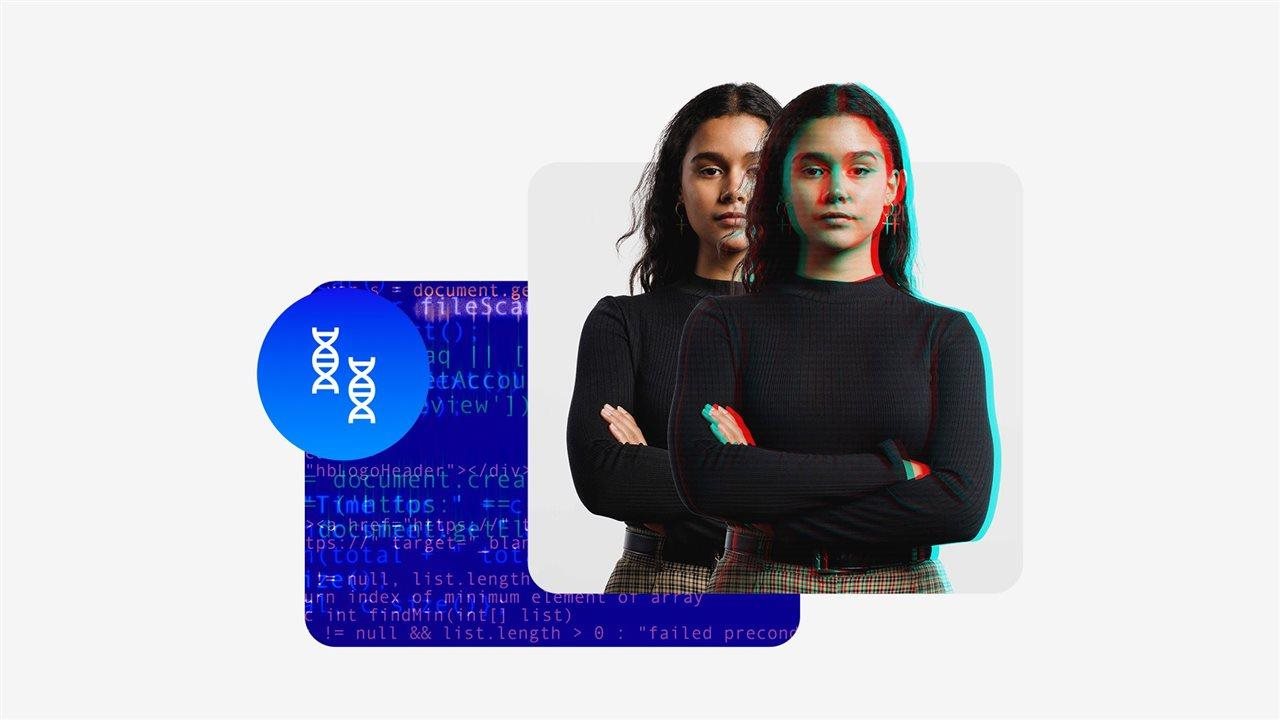
Healthcare technology entered 2026 smarter, faster, and more connected than ever. From creating digital twins of real people to artificial intelligence (AI) gaining momentum, here are trends experts at health-tech company Medtronic say could define this year.
Personalizing care with digital twins
You're one of a kind. But someday, you could have a digital twin — a virtual version of you that helps clinicians personalize care and predict health outcomes.
How? By combining clinical, physiological, and lifestyle data, a digital twin can mirror the unique characteristics of individual patients.
While a comprehensive human digital twin hasn't been created yet, patients are already beginning to benefit from this technology. Doctors can now "rehearse" a heart valve replacement using a digital replica of the patient's heart, predicting how the body may respond to the procedure.
Medtronic is also exploring how digital twins could help develop safe therapies faster.
"A digital twin can help us accelerate research, reduce the need for animal testing, and avoid exposing humans to unnecessary risks," said Dr. Nathalie Virag, Vice President and General Manager at the Medtronic Bakken Research Center. "Many early-stage experiments can be conducted on a computer before moving to animal or human testing."
What's next? Digital twins will become smarter and help clinicians move from reacting to patient health challenges to predicting individual health risks before symptoms appear.
Using AI to answer health questions

You've likely asked "Dr. Google" medical questions. But how we find answers is changing. More people are using generative AI to learn about their health concerns, turning to AI overviews and chatbots before seeing a doctor.
While AI can offer quick, personalized answers, it should be used as a tool for learning rather than diagnosing. This is especially true for health conditions like heart disease, which can present differently in women than in men.
"AI can be a great starting point, but it should never replace a conversation with a healthcare professional," said Dr. Kendra Grubb, Vice President and Chief Medical Officer of Structural Heart at Medtronic. "It doesn't understand your lifestyle, family history, or clinical signs the way a physician does."
What's next? AI could become more connected to wearable devices.
By tracking real-time health data like heart rate and blood pressure, AI-assisted wearables could help identify early warning signs before symptoms start. This could empower patients to seek care sooner and give clinicians insights to personalize treatment.
Get a free feed to have stories like this automatically added to your website.
Get Content FeedIncludes Multiple Photos
 Contact Brandpoint for licensing details
 Contact Brandpoint for licensing details
