How to make the most of this year's bumper crop of veggies
Posted: June 10, 2026 | Word Count: 749
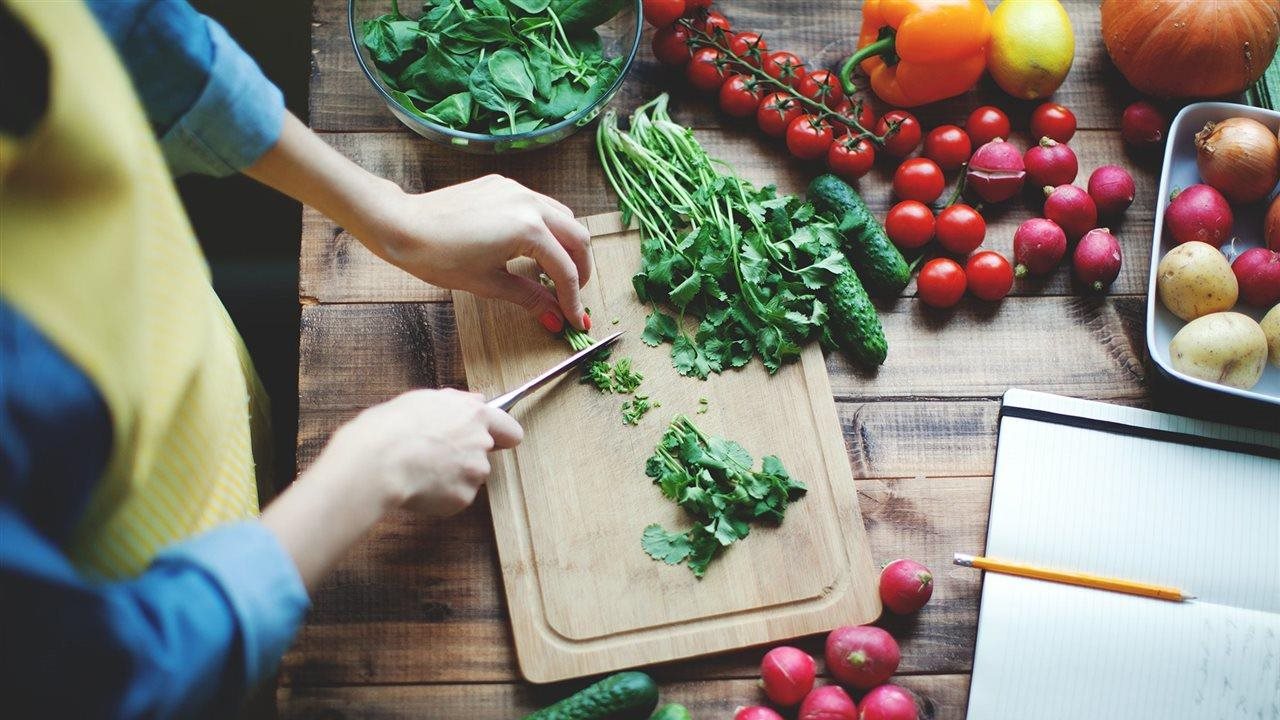
It happens every summer: Either your own garden goes wild with one particular crop, you get carried away one weekend at your local farmers market, or a mysterious basket of fresh veggies appears on your porch from a well-meaning neighbor. While produce is a wonderful thing to have on hand, there are only so many salads and stir fries you can eat while it's still fresh. Unless you're a complete canning pro, what can you do with all those extra veggies?
Here are some creative ways to use fresh vegetables that you may not have thought about.
Satisfy your sweet tooth
You can bake many more sweet treats using veggies than you may have thought possible. The key is to know when you may need to reduce their water content, so your baked goods don't become overly soggy.
For example, many recipes involving zucchini recommend gently squeezing and draining the moisture out of the grated veggies before adding to batter. Make sure to follow recipes closely to ensure you're not sabotaging your efforts with too much water.
Trying an online recipe for the first time? Don't forget to check the "comments" section below the recipe to see if anyone who made it discovered that this step wasn't entirely necessary — or that it had been accidentally left out. Some recipes may take into account the extra moisture vegetables bring with them, reducing the need to squeeze and drain.
Baked zucchini bread and carrot cake are obvious choices to try, but there are many other baked veggie combos that work well. The good news is, there's a wide variety of baking recipes featuring cauliflower, corn, sweet potato, parsnips, various types of squash — and even spinach — if your garden had a bumper crop of any of these plants this season.
Create homemade pesto
It may come naturally to make great-tasting pasta sauce out of a surplus of tomatoes from your garden, but don't forget about the very versatile pesto. As long as you have plenty of garlic, a hard cheese like Parmigiano-Reggiano, Pecorino or Asiago, extra virgin olive oil and either pine nuts or another nut substitute like pistachios or walnuts, you can use a whole host of different greens to swap for the traditional basil.
Leafy greens of any kind can be used to make tasty pesto, such as arugula for a peppery flavor, spinach or kale for a nutrition boost, parsley or mustard greens — and even carrot tops or turnip greens. While many of these green veggies can be used raw in your food processor to create pesto, greens that are more fibrous should first be cooked in some way for the best results. For example, collard greens, kale and chard may need to be sauteed, grilled or blanched before processing. To blanche, put veggies into rapidly boiling water and leave them there for just 1-3 minutes or more (the tougher the vegetable, the longer you should blanche it). Immediately put in a large bowl of ice water to stop the cooking process, then drain when cool.
Freeze herb or veggie cubes
Did your kitchen garden explode with oregano, basil, rosemary, mint or chives this summer? You can save all that flavor easily with the help of a few extra ice cube trays. All you need is some olive oil to freeze your chopped-up herbs in, and you'll create an entire set of herb cubes that you can use all year long to add flavor to soups, casseroles, sauteed dishes and more. Just make sure to store each type in labeled bags after they're frozen so you can easily find what you're looking for.
You can use this same technique for a variety of veggies, too — just blanche before mincing and freeze any veggie with olive oil in cubes or muffin tins to use in sauces, stews and soups later in the year. This is also an easy way to sneak more veggies into pasta dishes and casseroles for any picky eaters in the house.
Share the bounty
If you truly have more veggies than you can handle and you'd like to make a positive impact in your community, contact local food shelves, community organizations or houses of worship. While some food pantries can't accept fresh produce, many can. And other organizations might be able to benefit from your kind donation of healthy veggies.
With these tips, you should be able to make good use of whatever garden surplus you have on hand, helping you enjoy the bounty for many weeks or more!
Get a free feed to have stories like this automatically added to your website.
Get Content Feed