How to travel like a foodie: Tips for planning a culinary vacation
Posted: September 29, 2026 | Word Count: 785
Key takeaways:
- Culinary professionals see destinations through the lens of the cultures, seasons and agriculture that shape them.
- Planning your travel around what grows locally and what's in season makes for better culinary travel experiences.
- Seek out food festivals, foraging weekends and farm-to-table wine dinners like those offered throughout agriculturally rich areas like Michigan.
One of the best parts of vacation is experiencing local foods, fresh ingredients and related customs, but how do you find authentic spots and dishes? According to people who work in the food business, there are a few tricks to uncovering great culinary moments while traveling.
1. Eat the season: Align your trip with the harvest
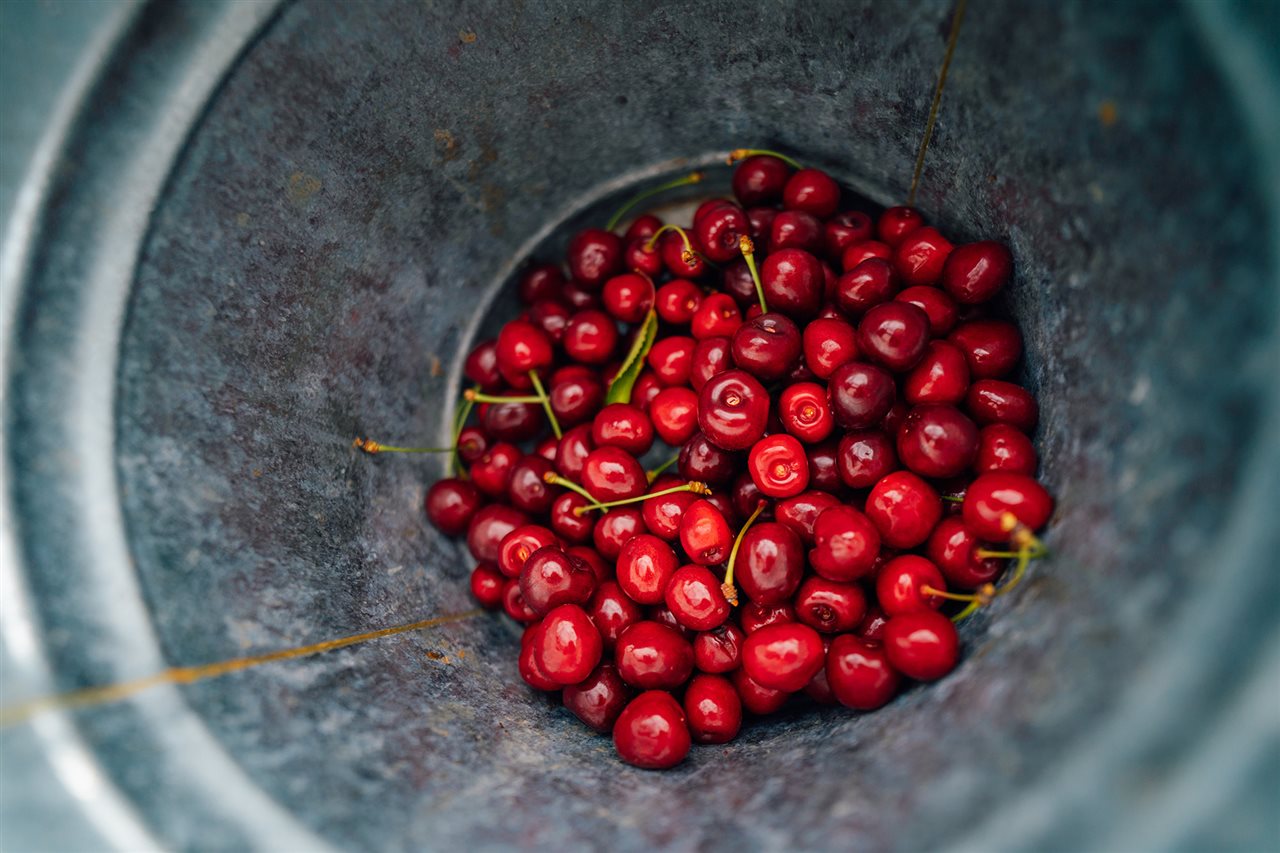
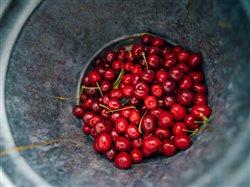
Freshly picked cherries from Klenk Orchards in Sparta, MI. Photo credit: Pure Michigan
Epicureans don't just ask where to eat; they ask when. Timing your travels to the harvest or what's in season offers a more flavorful experience. In Michigan, the second most agriculturally diverse state in America, this means seeking out peaches and sweet corn in the late summer or earthy dishes featuring foraged ramps and morels in the spring.
"I tell people to plan around produce, from spring rhubarb and asparagus to the last autumn apples and winter squash — even maple tapping season," says cookbook author and baker Martin Sorge. "Check with local farmers to confirm when peak season is to plan your trip, and remember Northern Michigan can be several weeks behind other areas of the Midwest. You'll find the best Northern Michigan cherries mid-to-late July, for example."
"There's an incredible sense of pride, community and connection to nature in Michigan's Upper Peninsula, so I aim to let the land tell the story and guide the menu by using hyperlocal, seasonal produce and foraged goods," says Carrie Masters, chef and owner of Bird & Toad in Marquette. "My favorite meals are often pieced together from local purveyors, and they are always best enjoyed out in nature right where the ingredients came from."
2. Map the cultural diaspora
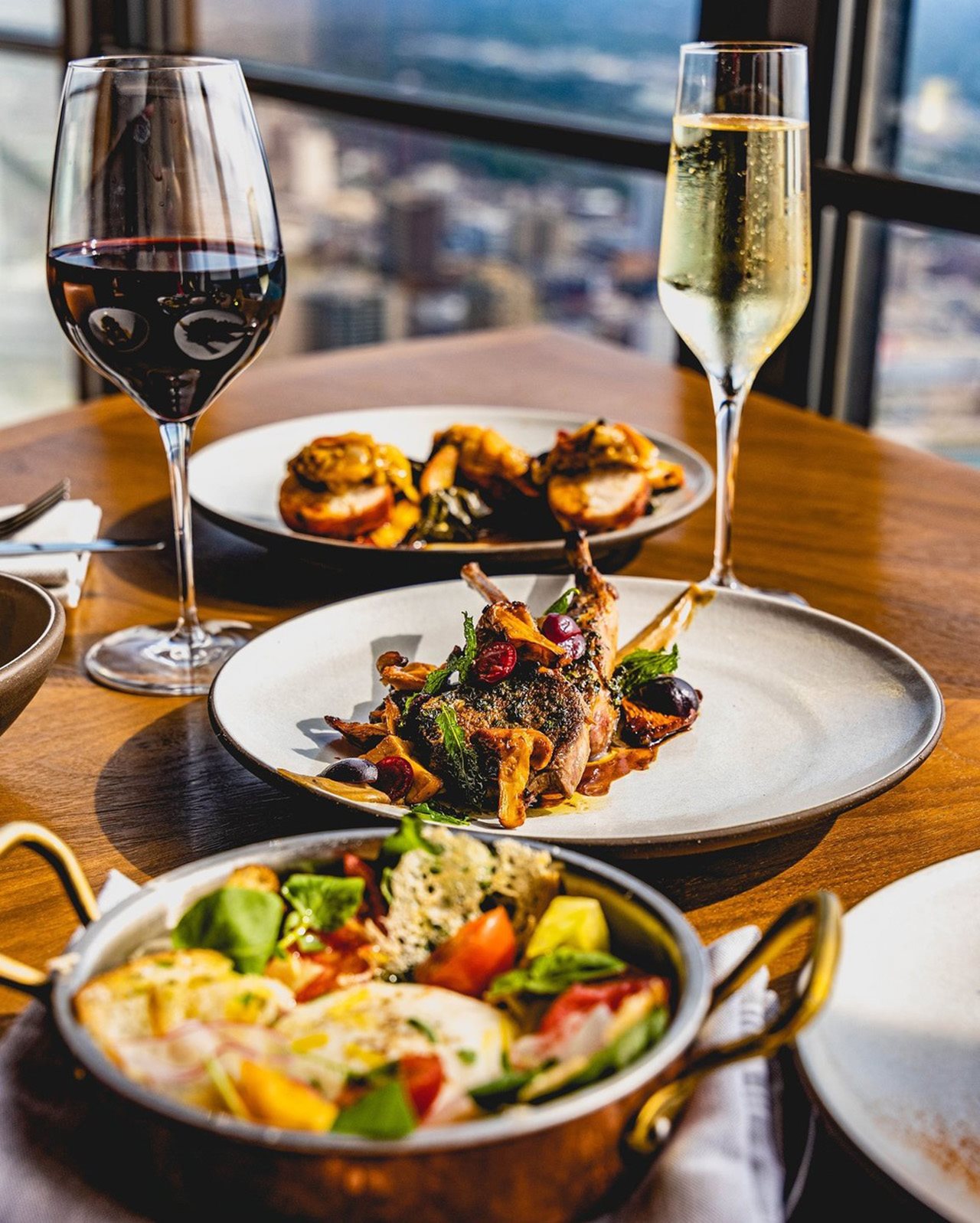
Authentic food cultures thrive within regional enclaves. Seek out areas where immigrant populations have come to anchor the local cuisine or create fresh fusion experiences, like Detroit-area Levantine bakeries and cafés.
"Detroit has become like a mini-Los Angeles, with pockets of truly surprising and authentic international cuisine and fusions, like Mexican, Cantonese and amazing Korean-American chefs cooking the foods of their home, and adopted city," says Matt Rodbard, an award-winning food and culture writer and editor of TASTE.

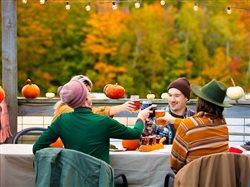
Use slow travel principles to anchor your itinerary around regional celebrations, such as harvest and food and wine festivals.
3. Anchor travel around food-centric festivals
Rather than rushing between scattered dining spots, use slow travel principles to anchor your itinerary around regional celebrations, such as harvest and food and wine festivals, like the November Art Coast Food and Wine Festival in Saugatuck Douglas. These events allow visitors to sample a wide range of local flavors at their peak.
4. Be part of the meal prep
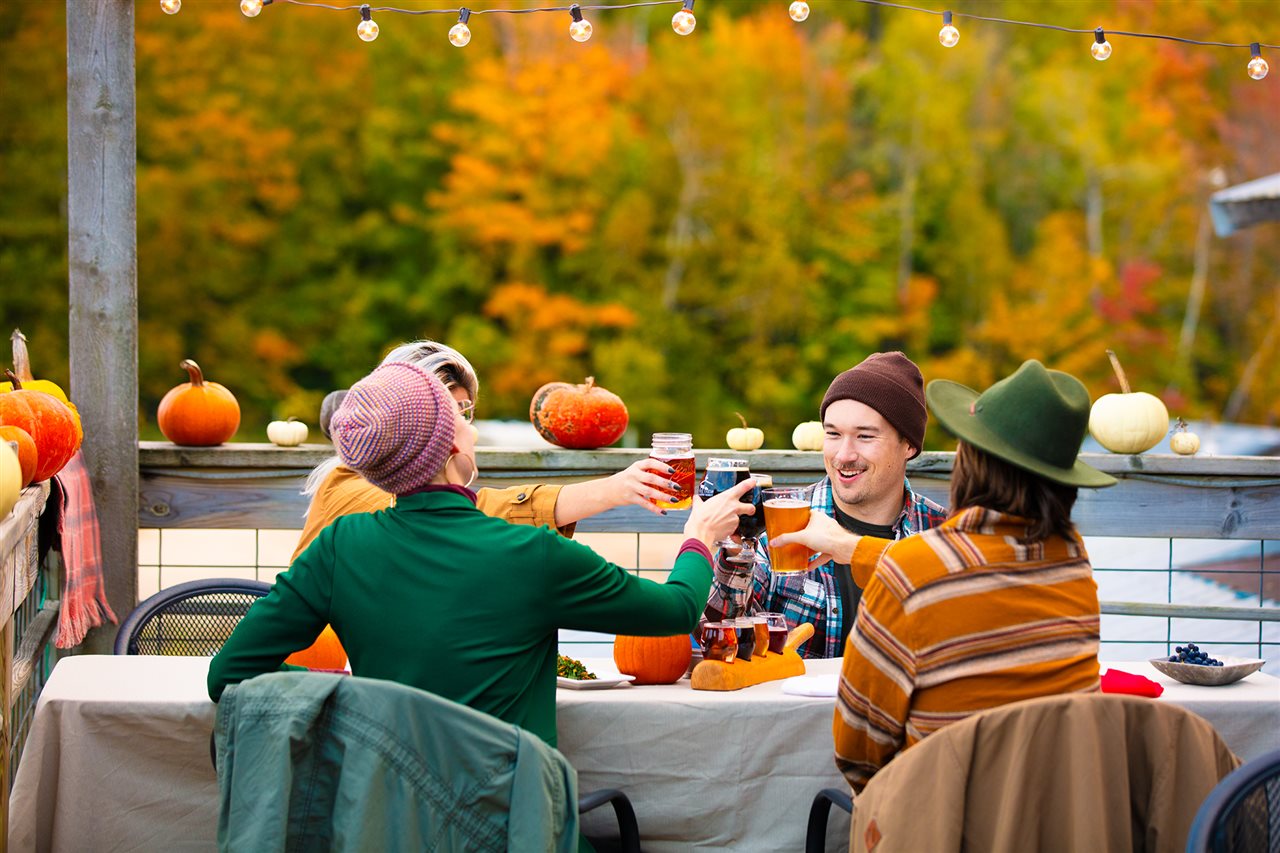
True food travel means getting your hands dirty. Seek out u-pick farms and orchards, foraging walks with resort chefs or creamery workshops, like those offered throughout Michigan's wine coast at properties like Black Star Farms. Participating in the harvest or subsequent meal preparation builds a tangible connection to the land and makes the final dish more rewarding.
"The best culinary experiences give you a sense of place," says Danny Simmons, director of culinary and events at Black Star Farms. "We believe in the idea that what grows together, goes together, and we build our food and wine experiences around what Northern Michigan is giving us in that moment alongside wines grown and made here. Through experiences like our hands-on cooking classes, dinners and other culinary programs, we invite guests to be part of that connection rather than simply observe it, gaining a deeper understanding of the land, the season and what pairs well together."
5. Embrace unexpected and interesting pairings
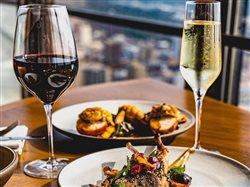
Instead of getting that wine you always get, lean into the local beverage terroir. Pair a funky Michigan washed-rind cheese with a dry heirloom hard cider, or local Great Lakes whitefish with a crisp Old Mission Peninsula Riesling. Local wines, beers and aged ingredients are truly an artifact of the landscape.
Keep these tips in mind as you plan your next vacation. You don't need to work in the culinary industry to uncover vibrant flavors and authentic experiences when traveling.
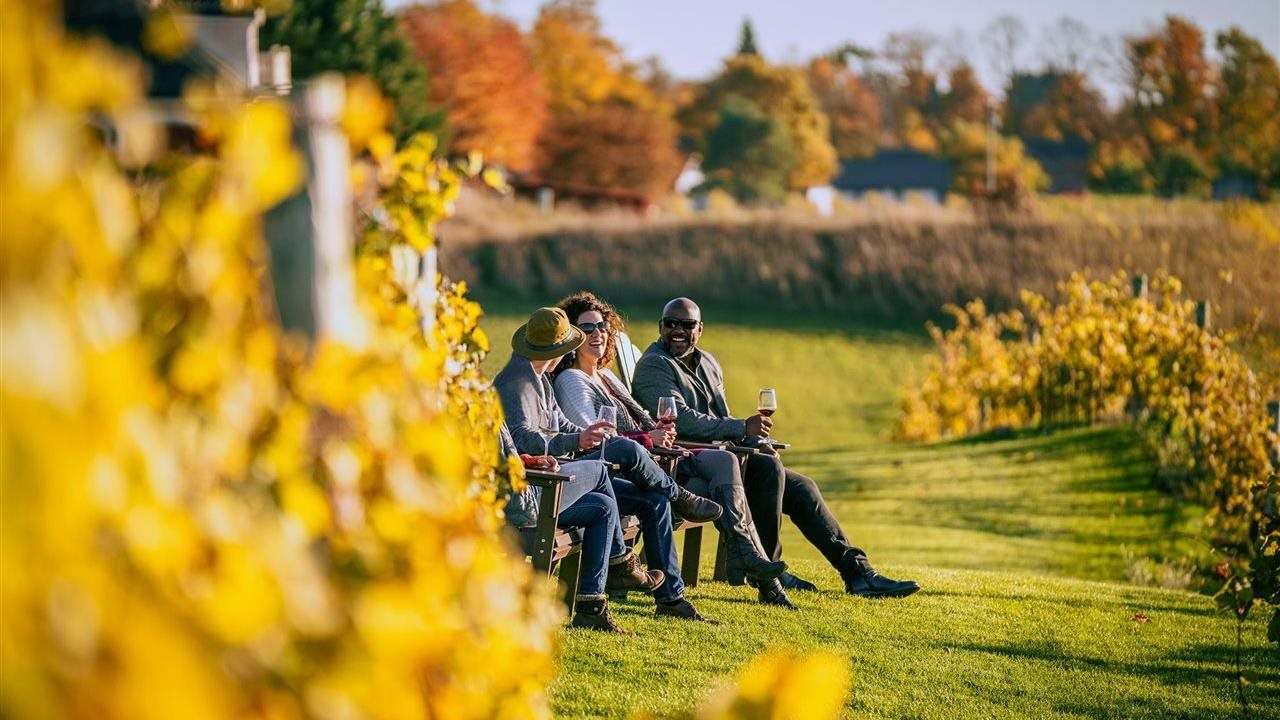
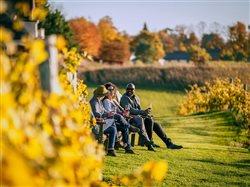
Photo above: People enjoying the autumn harvest at Chateau Chantal winery on Traverse City's Old Mission Peninsula. Photo credit: Pure Michigan
Get a free feed to have stories like this automatically added to your website.
Get Content FeedIncludes Multiple Photos
 Contact Brandpoint for licensing details
 Contact Brandpoint for licensing details
 Contact Brandpoint for licensing details
 Contact Brandpoint for licensing details
