4 fall home power steps to prepare for cold weather, starting with a solar generator
Posted: October 30, 2026 | Word Count: 780
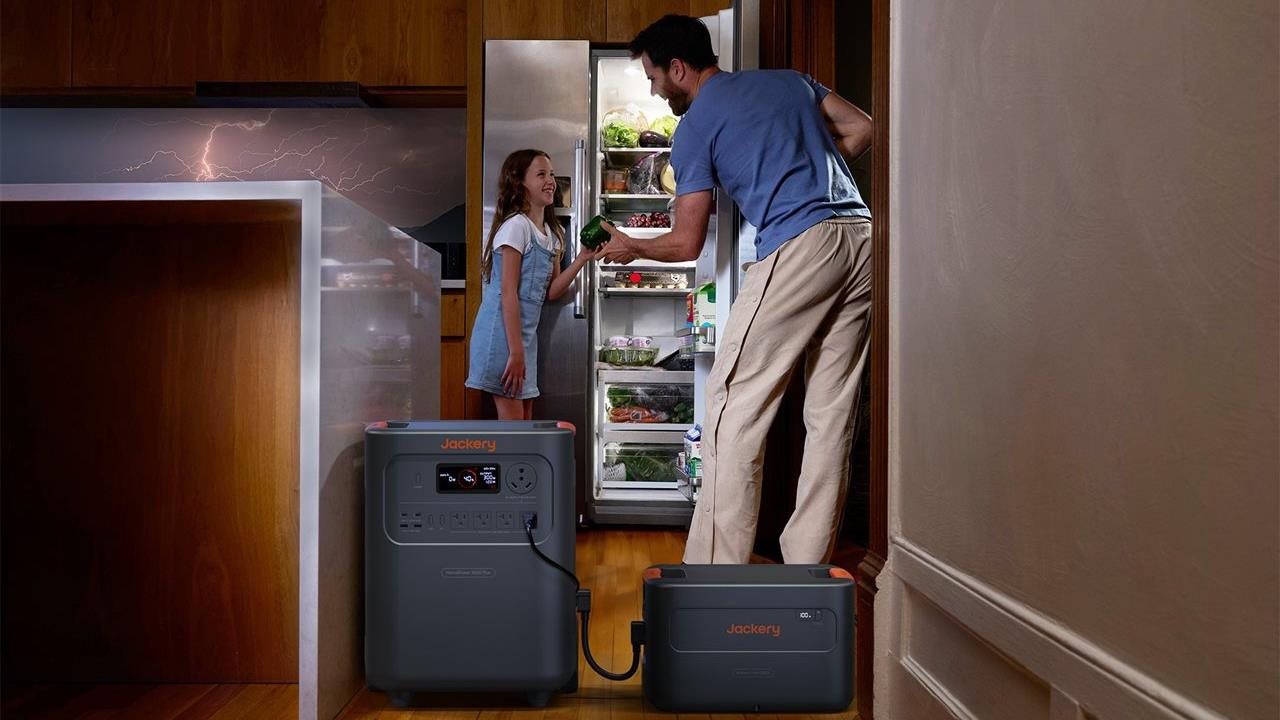
The fall season means clocks fall back, and every November, standard time returns with a familiar set of seasonal rituals.
Once you've gone around the house adjusting all your clocks, you probably dive right into your seasonal home maintenance, changing smoke alarm batteries, swapping the furnace filter and giving the chimney a thorough inspection before the first big temperature dips.
These tasks are vital, but there's another critical step many homeowners overlook: preparing for winter power outages. Winter weather, including snow, ice and freezing rain, accounted for 23% of weather-related major U.S. outages between 2000 and 2023, according to Climate Central. And the hits keep coming. Earlier this year, Winter Storm Iona knocked out power to nearly 2 million customers nationwide (PowerOutage.us). In 2021, Winter Storm Uri cut power to about 4.5 million Texas customers, according to the U.S. Energy Information Administration (EIA), and those who lost it went an average of 42 hours without electricity (KUT). Adding a solid backup power plan to your fall checklist ensures your home stays warm, safe and lit no matter what severe winter weather throws your way.
Outages are getting longer and more common. In 2024, U.S. customers averaged 11 hours without power, which is nearly twice the average of the prior decade (EIA). And this year especially, grid operators warn that extreme winter conditions over a wide area could result in electricity supply shortfalls, as reported by the North American Electric Reliability Corporation.
The rise of energy prices is also on many people's minds this season. For example, the EIA expects households that heat with heating oil to spend about 21% more this winter, driven by tight fuel supplies and higher heating oil prices.
But no matter what the season brings, one way to feel more in control of the power in your home is installing a solar backup battery that can recharge with the sun, like Jackery's solar generator series. These solar powered generators are designed to keep your home running during an outage. For example, the HomePower 3600 Plus can connect to home circuits through a transfer switch and is built to last over 16 years. The HomePower 3600 Plus solar generator bundle from Jackery delivers 7.2kWh of capacity for the same price as a typical 5kWh system, so you get more backup power without spending more.
Built for longer outages, the HomePower 3600 Plus pairs 3600W of output with 3584Wh of capacity. As your needs grow, add battery packs to expand up to 21kWh, enough to keep your fridge running for up to 14 days. And because it runs quietly with no fumes, it can stay safely indoors, recharging from the wall or the sun. Safety is built in, too: Jackery is The Most Trusted Safety-First Solar Generator Brand, according to Frost & Sullivan.
To help you get ready for the upcoming season, Jackery's in-house former electrician Beau Tyrrel shares a four-step fall home power check that can turn Daylight Saving Time into a calming, winter-ready ritual.
Top it off: If you have a home backup battery or solar generator, make sure it's charged to 100% before the season starts. Batteries can lose some charge when sitting in storage during the warmer months, so make sure yours is fully ready for any unexpected outages.
Make a list: Write down the things that matter most to you when the lights go out, such as the fridge, your phones, the Wi-Fi router and a light source. This way you can make sure these items are connected to backup power in case of an outage. To help calculate how much home backup you would be ideal for your home, check out Jackery's "How To Choose" guide.
Give the battery a test run: To make sure you're ready for whatever the season brings, do an "in-case-of-emergency" test. Plug in the items from your essentials list and test how they all work together. This helps you see how long your backup power will last ahead of when you need it. And if you need additional backup capacity, Jackery's wide range of modular solar generators allow you to add capacity on as your needs grow.
Find your batteries a cozy spot: Once you've charged up your backup power source and given it a test drive, be sure to store it safely. It's best to store it in a dry, room-temperature space rather than a cold garage or shed to preserve its capability, efficiency and overall lifespan.
Follow these steps for a smooth transition into the cooler months and reliable backup power when you need it most. Learn more about affordable home backup and solar generator options at www.Jackery.com.
Get a free feed to have stories like this automatically added to your website.
Get Content Feed